
Railings play an essential role in both safety and design for residential, commercial, and industrial properties. Whether installed on balconies, terraces, staircases, or industrial platforms, railings provide structural protection while enhancing the visual appearance of a building. Choosing the perfect railing design requires careful consideration of safety standards, durability, material quality, and aesthetic appeal.
With modern architecture focusing on stylish yet functional designs, selecting the right railing system has become more important than ever. This guide explains how to choose the perfect railing design for balconies, terraces, and industrial areas based on safety, functionality, and design preferences.
Railings are not just decorative elements; they are critical safety components that protect people from falls and accidents. Strong and properly designed railings provide support and stability in elevated areas such as balconies, terraces, staircases, and industrial platforms.
Apart from safety, railings also enhance the architectural beauty of buildings. Modern railing designs can significantly improve the overall appearance of residential and commercial properties while maintaining structural strength and reliability.
Choosing the right railing design begins with understanding the different types available in the market. Each type offers unique advantages depending on the location and usage requirements.
Stainless steel railings are one of the most popular choices for modern properties due to their durability and sleek appearance. They offer excellent resistance to corrosion and weather damage, making them suitable for both indoor and outdoor installations. Stainless steel railings are commonly used in balconies, terraces, commercial buildings, and industrial spaces where long-lasting performance is required.
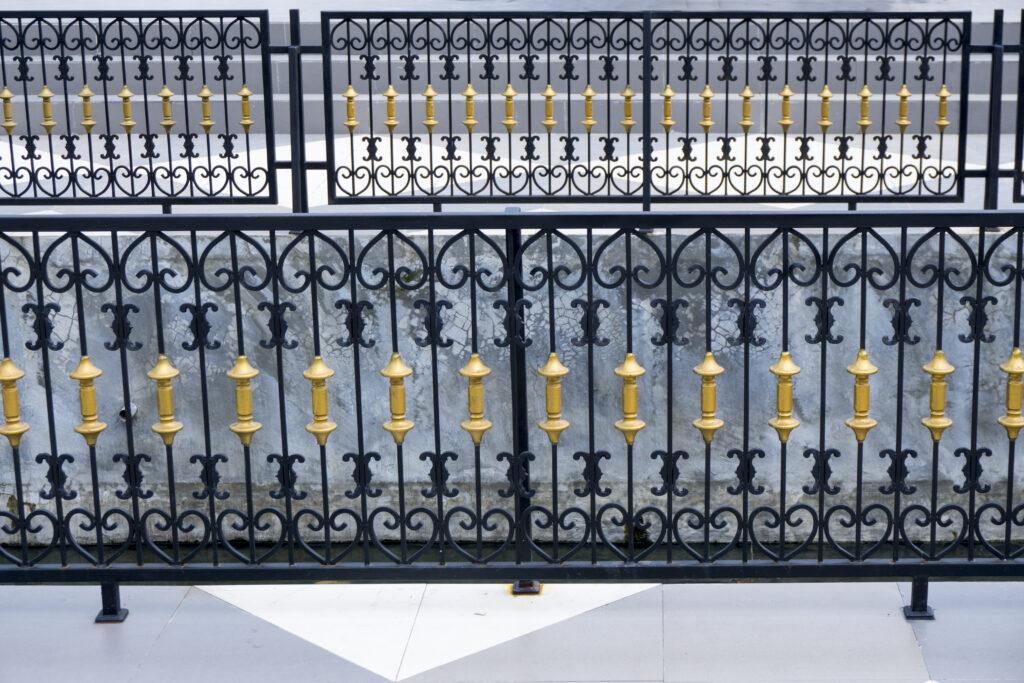
Mild steel railings provide strong structural support and allow flexible design customization. They can be manufactured in decorative patterns and are widely used in residential balconies, staircases, and industrial applications. Mild steel railings are cost-effective and can be powder coated or painted to enhance durability and appearance.
Aluminum railings are lightweight, rust-resistant, and easy to maintain. They are suitable for balconies, terraces, and commercial spaces where corrosion resistance and modern design are required. Aluminum railings are also easy to install and provide long-term durability.
Glass railings offer a modern and stylish appearance while maintaining safety and visibility. They are widely used in luxury homes, hotels, commercial complexes, and terrace areas. Glass railings create an open and spacious visual effect and are often combined with stainless steel or aluminum frames for added strength.
Industrial railings are designed to provide maximum protection in factories, warehouses, and heavy-duty work environments. These railings are built using strong metal materials and follow strict safety standards. Industrial safety railings help prevent accidents and provide secure movement for workers in elevated workspaces.
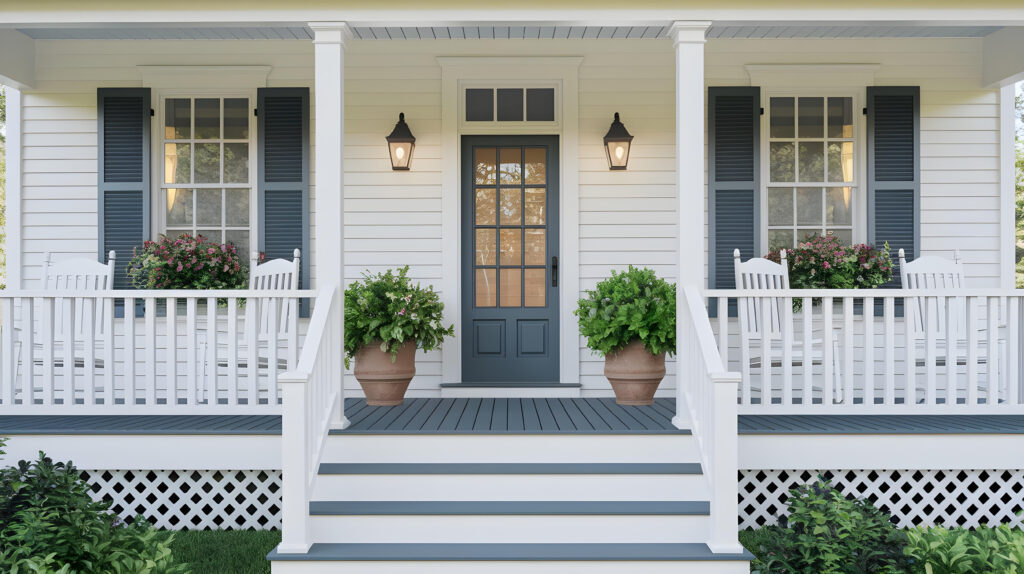
Balcony railings require a balance between safety and visual appeal. Property owners should choose railing designs that complement building architecture while providing reliable fall protection.
Weather resistance is an important factor for balcony railings, as they are exposed to environmental conditions such as rain, sunlight, and dust. Stainless steel, aluminum, and powder-coated mild steel railings are commonly preferred for balcony installations because of their durability and low maintenance requirements.
Design style is another important consideration. Modern homes often prefer glass or stainless steel railings, while traditional buildings may use decorative mild steel designs.
Terrace railings should provide safety while maintaining open and stylish outdoor spaces. Since terraces are exposed to weather conditions, material quality and corrosion resistance are important factors. Stainless steel and aluminum railings are highly suitable for terrace installations due to their durability and weather resistance.
Glass railings are also becoming popular for terrace areas because they provide unobstructed views and enhance property aesthetics. However, it is important to use toughened or laminated safety glass to ensure strength and protection.
Industrial railings focus primarily on safety, durability, and compliance with workplace safety standards. These railings must be strong enough to handle heavy usage and harsh industrial environments.
Mild steel and stainless steel railings are commonly used in factories and warehouses because of their high load-bearing capacity. Industrial railings should also be designed according to safety regulations to protect workers and prevent accidents in elevated workspaces, platforms, and staircases.
Visibility and accessibility are also important in industrial environments. Properly designed railings help maintain smooth movement of workers while ensuring maximum safety.
Safety is the most important factor when installing any railing system. Railings should be installed at proper height levels and must be capable of supporting weight and pressure. Proper spacing between railing bars is also essential to prevent accidents and ensure child safety in residential properties.
Professional installation is highly recommended to ensure structural strength and long-term durability. Incorrect installation may reduce railing stability and increase safety risks.
Choosing low-maintenance railing materials helps reduce long-term operational costs. Stainless steel and aluminum railings require minimal maintenance and are resistant to corrosion. Mild steel railings may require periodic painting or coating to maintain durability.
Glass railings require regular cleaning to maintain clarity and visual appeal. Regular inspection of railing joints and fittings is important to ensure safety and long-lasting performance.
Modern railing designs are evolving with innovative materials and advanced fabrication technologies. Minimalistic stainless steel designs, frameless glass railings, CNC decorative metal railings, and powder-coated aluminum railings are becoming increasingly popular.
Many modern buildings are also combining different materials such as glass and metal to create stylish and durable railing systems. These trends focus on combining safety with contemporary architectural design.
Choosing the perfect railing design for balconies, terraces, and industrial areas requires careful consideration of safety, durability, and aesthetic appeal. Balcony and terrace railings should provide strong fall protection while enhancing property appearance. Industrial railings must meet strict safety standards and provide reliable structural support in demanding work environments.
Selecting high-quality materials and ensuring professional installation helps maintain long-term safety and durability. With modern design options and advanced fabrication techniques, railing systems continue to play a vital role in improving both safety and architectural beauty in residential, commercial, and industrial properties.